Future of the Global Construction Industry: Forecast 2025–2035
The construction sector of the world is set to undergo a radical change within a decade. Between 2025 and 2035, the industry will experience a humongous growth due to urbanization, technological development, and sustainability. The world is becoming a smart city, greener, and as such, the construction firms have to change to keep up with the times. The article highlights the major trends, innovations and opportunities that will define the future of the construction industry and is thus a must-read on the part of developers, engineers, and construction businesses.
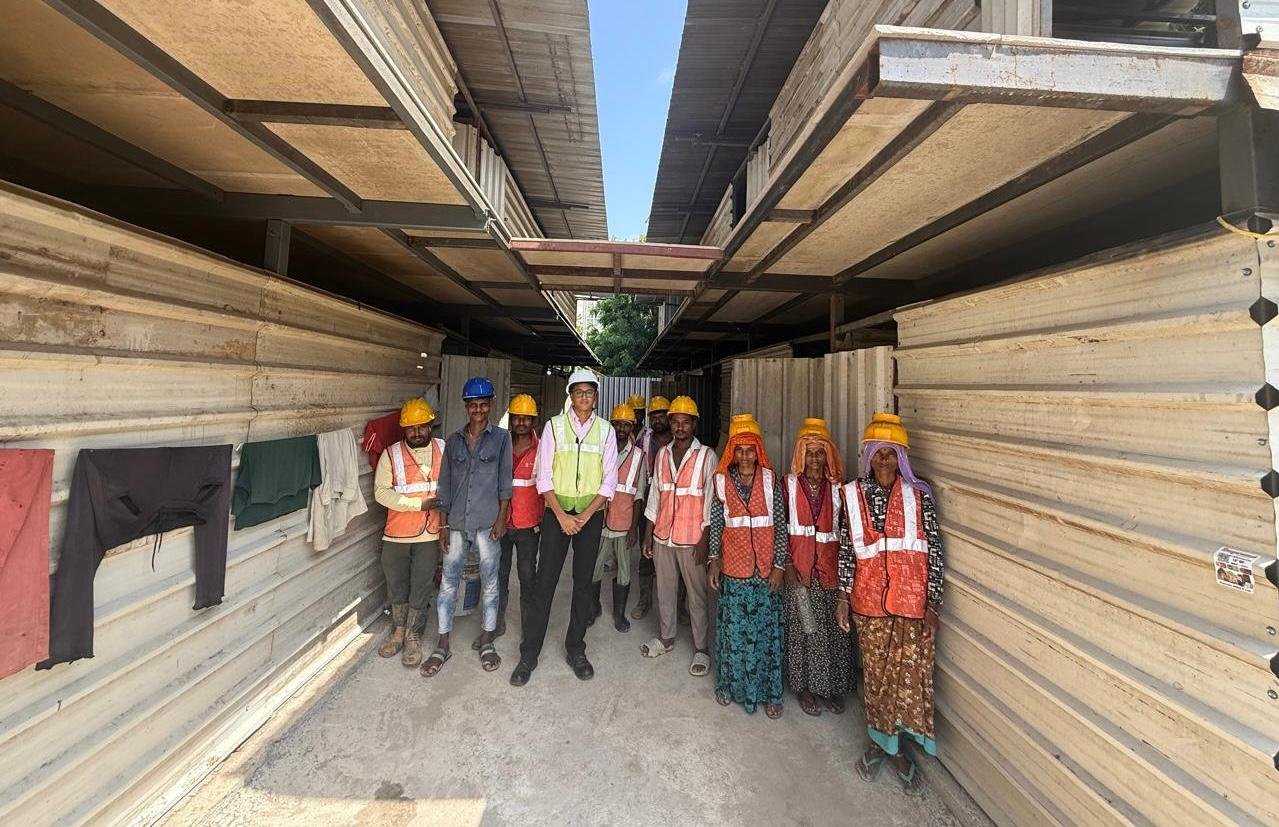
Why the Construction Industry is Evolving Rapidly
Historically, construction has been manual, time-consuming, and resource-intensive. However, several factors are accelerating change:
- Rapid Urbanization: Cities are expanding at an unprecedented rate. By 2030, over 60% of the global population will live in urban areas, increasing demand for residential, commercial, and industrial infrastructure.
- Focus on Sustainability: Eco-friendly buildings and renewable energy solutions are no longer optional—they’re mandatory. Governments worldwide are imposing stricter environmental standards.
- Technological Advancements: Tools like AI, BIM, IoT, and robotics are transforming project planning, site monitoring, and workforce management.
- Economic Growth & Investments: Post-pandemic infrastructure programs and private sector investments are fueling construction projects across emerging and developed economies.
The future will be faster, smarter, and greener, demanding innovation from construction companies and solution providers like modular labour colony manufacturers.
Top Trends Shaping Construction 2025–2035
Technology, sustainability, and urban development are causing a significant change in the construction sector. In the next ten years, firms will have to be adjusted to the shifting market needs, new regulations, and building values. The knowledge of such trends is essential to ensure that businesses, professionals, and investors remain viable in the fast-changing construction industry of 2025-2035. These trends are defining the future of the construction industry in the world due to the use of AI-based tools and building modularly to the practice of building greener and smarter cities.
1. Sustainable and Green Construction
The construction industry will be dominated by sustainability. To minimize carbon footprint and undertake in accordance with global regulations, companies are embracing environmentally friendly materials and energy-efficient systems.
- Recycled and renewable materials for walls, roofs, and flooring
- Energy-efficient solutions, including solar panels, LED lighting, and smart HVAC
- Certifications and compliance: LEED, BREEAM, and other green building standards
For labour colony solutions, sustainable construction translates to long-lasting, reusable units that reduce material wastage and operational costs.
2. AI and Automation in Construction
Artificial intelligence (AI) and automation are transforming how projects are managed and executed.
Applications include:
- Predictive project management: AI forecasts risks, delays, and cost overruns
- Robotic machinery: Bricklaying, concrete pouring, and material handling are automated
- Drones for inspection: Real-time monitoring of progress and safety
- AI safety systems: Detect hazards and improve worker protection
Companies using AI in modular housing, prefabricated colonies, and commercial construction can reduce costs, improve quality, and accelerate timelines.
3. Building Information Modeling (BIM)
BIM technology allows construction teams to visualize projects in 3D, detect errors early, and collaborate efficiently.
Benefits for construction and labour colony projects:
- Minimizes design and construction errors
- Optimizes material usage and resource allocation
- Facilitates remote monitoring of multiple sites
- Improves communication between architects, engineers, and contractors
BIM is becoming mandatory for large-scale urban and industrial projects, and adopting it early ensures a competitive edge.
4. Modular and Prefabricated Construction
Prefabricated construction and modular construction is transforming building practices. Prefabricated units are also produced at one location and fastened on location, which provides flexibility, speed and economical cost.
Advantages:
- Fast construction and deployment, ideal for labour colonies or temporary housing
- Reduced labor costs and material wastage
- High quality due to factory-controlled production
- Eco-friendly and reusable, extending operational life
For companies offering reusable, collapsible labour colonies, modular construction ensures easy relocation across sites, supporting long-term projects efficiently.
5. Smart Cities and IoT Integration
With the rise of smart cities, buildings and infrastructure increasingly integrate IoT-enabled devices to enhance efficiency, safety, and sustainability.
Applications include:
- Energy management systems for lower operational costs
- Smart lighting, HVAC, and security controls
- Predictive maintenance for long-term durability
- Enhanced living conditions for workers in colonies and accommodations
IoT-enabled labour colonies ensure better comfort, safety, and resource efficiency, aligning perfectly with modern construction standards.
6. Workforce Evolution and Skill Development
Even as technology automates construction, human expertise remains crucial. The workforce of the future will need:
- Digital literacy to operate AI, IoT, and BIM tools
- Knowledge of sustainable building practices and green construction
- Skills in modular construction, prefabricated housing, and robotics
- Problem-solving, project management, and teamwork abilities
Training and upskilling programs are essential for companies to maintain a productive, skilled, and tech-ready workforce.
Challenges in the Construction Industry
Despite opportunities, the industry faces significant challenges:
- Rising Material Costs: Fluctuating steel, cement, and timber prices impact project budgets
- Skilled Labor Shortages: Advanced technology operations require trained personnel
- Regulatory Compliance: Environmental and safety standards demand investments in resources and planning
- Technology Adoption: Smaller companies may struggle to implement digital solutions
- Supply Chain Disruptions: Global events can delay material delivery and project completion
Addressing these challenges is vital for sustainable growth and long-term project success.
Future Outlook: 2025–2035
The global construction market is expected to grow steadily in the next decade. Key developments include:
- Smart infrastructure and urban development accelerating in Asia-Pacific and North America
- Widespread adoption of modular and prefabricated construction for commercial and residential projects
- Green buildings and renewable energy integration becoming standard
- AI, robotics, and digital twins streamlining project management and monitoring
- Emerging markets driving construction growth in India, Africa, and Southeast Asia
The construction sector will be faster, safer, sustainable, and technology-driven, creating new opportunities for businesses and workforce housing solutions.
How Labour Colony and Modular Housing Companies Can Adapt
Companies in the construction and labour colony solutions sector can thrive by:
- Investing in modular and prefabricated housing solutions
- Implementing AI, IoT, and BIM technologies for project efficiency
- Focusing on sustainability and green building certifications
- Upskilling staff in digital construction tools and modern building techniques
- Planning projects for easy relocation, long-term usability, and worker comfort
By embracing these strategies, companies can reduce costs, improve workforce satisfaction, and enhance project timelines.
Conclusion
The world construction sector in 2025-2035 is facing a new technology, sustainable, and efficient technologically defined era. Firms that embrace AI and modular construction, BIM, and green technologies will dominate the market, and professionals will enjoy plenty of opportunities in smart and environmentally friendly infrastructure projects.
For businesses providing labour colonies and modular housing, the next decade offers an unparalleled opportunity to deliver reusable, durable, and comfortable solutions for construction sites worldwide. The future is about building smarter, greener, and faster, ensuring efficient projects and satisfied workforce across all construction sectors.