What Is a Labour Colony? Benefits, Cost & Modern Features
A labour colony is a housing facility that is specifically designed to house workers who are hired to work on a construction project, an industrial project or a massive infrastructure project. These are not some tent cities, but carefully designed residential sites which keep workers safe, healthy and comfortable, and efficient, and which allow firms to streamline their processes.
Modern labour colony construction is more and more done by modular and prefabricated methods of construction and thus this makes them durable, reusable and relocatable. To construction firms, industrial developers, and project managers a labour colony investment is a clever long term solution to accommodation and management of workforce.
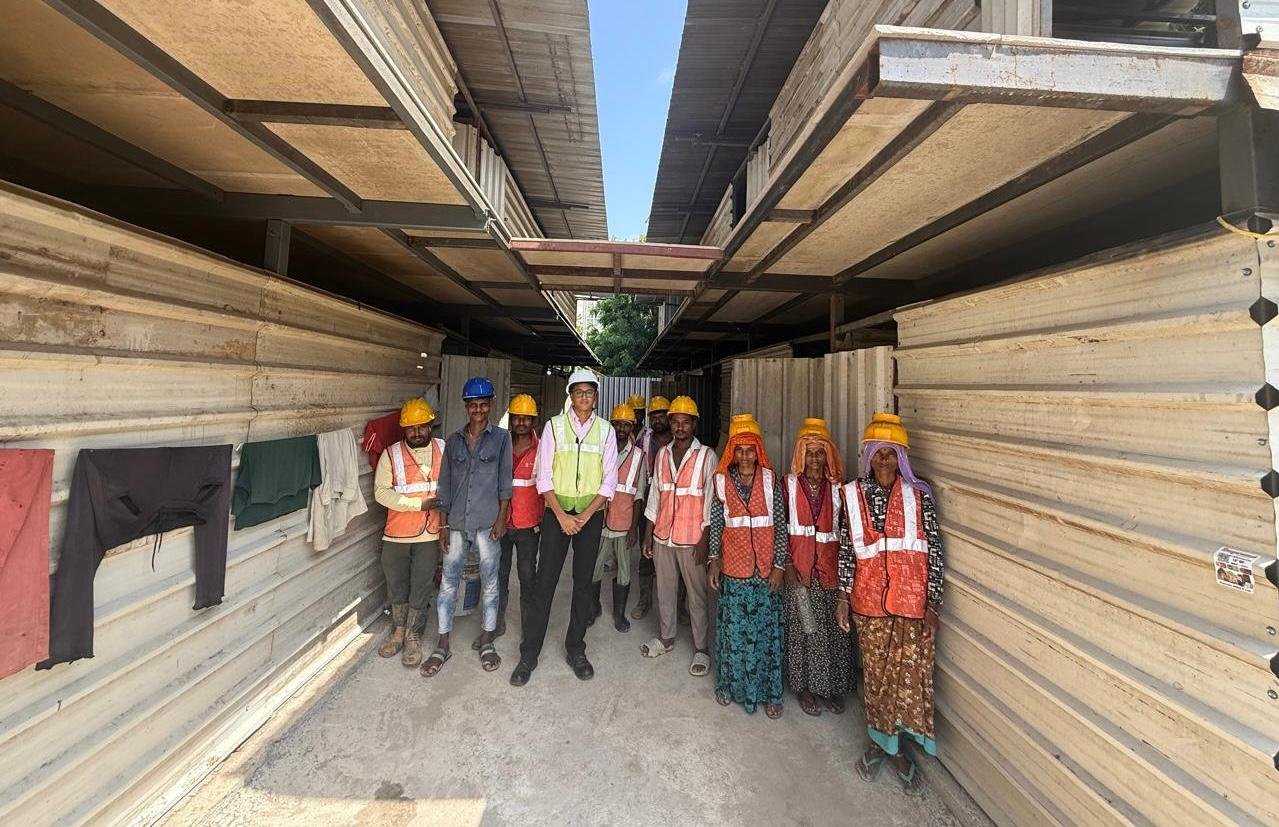
What Is a Labour Colony?
A labour colony is a residential facility built to accommodate workers near project sites. These colonies provide essential amenities such as:
- Living quarters (single or shared rooms)
- Washrooms and bathing facilities
- Mess and dining areas
- Common recreational spaces
A labour colony is meant to provide a secure and well-structured setting in which workers are able to live comfortably without having to worry about the other aspects of life. The labour colonies that are planned help in the increase of the productivity of the workforce, less absenteeism, and easier management of projects.
A labour colony is essentially a blend of residential accommodation with workplace productivity- that is, the construction sites and industrial projects are operated at a perfect pace with a well maintained workforce.
Key Benefits of Labour Colonies
Labour colonies are more than just living spaces—they are strategic solutions that enhance workforce well-being and project efficiency. A well-planned colony ensures that workers have comfortable, hygienic, and safe accommodations, which directly impacts productivity, morale, and overall project success. Let’s explore the main benefits that make labour colonies an essential part of modern construction and industrial projects.
1. Comfortable Living Conditions
Contemporary labour colonies offer rooms with proper ventilation, washrooms that are clean and recreational facilities which provide a living environment that improves the worker well being. Easy accommodation minimizes stress and fatigue, which has a direct impact on improving performance within the site.
2. Improved Productivity
Workers living in organized colonies are healthier and more focused, leading to higher productivity and fewer delays. When workers have access to proper facilities, they can maintain routine hygiene, rest adequately, and perform better on the job.
3. Safety and Security
Labour colonies are equipped with secure entrances, proper lighting, and fire safety measures, reducing risks of accidents and unauthorized access. Security features also help retain a motivated workforce, as workers feel safe and valued.
4. Cost Efficiency
Using prefabricated or modular construction techniques lowers the cost of building a labour colony. Reusable components reduce material wastage, and relocatable units save on future construction or setup costs, especially for projects spanning multiple sites.
5. Environmental Sustainability
Modern labour colonies are designed with eco-friendly materials and energy-efficient solutions, aligning with green construction practices. Sustainable designs reduce the environmental footprint while promoting a healthy and clean living environment for workers.
6. Regulatory Compliance
Governments and regulatory authorities often mandate adequate worker housing, sanitation, and safety measures. Labour colonies help companies comply with legal requirements, avoiding fines or operational interruptions.
Modern Features of Labour Colonies
Over the years, labour colonies have evolved significantly. Today’s colonies are not only functional but also modern, safe, and sustainable. Some key features include:
1. Modular and Prefabricated Structures
Modern colonies use modular or prefabricated construction to allow quick assembly, dismantling, and relocation. This is particularly useful for companies that operate across multiple construction sites.
Benefits:
- Reduced construction time
- High durability and strength
- Cost-effective long-term investment
- Reusable and environmentally friendly
2. Reliable Water and Power Supply
Labour colonies are equipped with 24/7 water and electricity facilities. Ensuring continuous supply of essential utilities makes daily life more convenient for workers and reduces operational disruptions.
3. Separate Washrooms and Shower Facilities
Separate washrooms for men and women promote hygiene and privacy. Modern colonies also include shower spaces, spouting points, and proper drainage, ensuring safe and sanitary living conditions.
4. Spacious and Ventilated Rooms
Rooms are designed to accommodate 2–3 individuals comfortably. Proper ventilation and layout maximize space usage while providing a healthy environment.
5. Mess and Recreational Areas
Some colonies include common dining spaces and recreational areas, allowing workers to rest, socialize, and maintain morale, which in turn enhances productivity.
6. Smart Colony Features
Advanced colonies integrate IoT and smart systems for:
- Energy-efficient lighting and HVAC
- Monitoring water and electricity usage
- Enhanced security with CCTV and access control
Smart features reduce operational costs while improving worker satisfaction and safety.
Labour Colony Cost: What to Expect
The cost of setting up a labour colony depends on several factors:
- Colony Size: Number of rooms and floors
- Construction Type: Modular, prefabricated, or conventional
- Facilities Provided: Water, electricity, recreational areas, and smart systems
- Material Quality: Standard vs. premium materials
Approximate Cost Range:
| Colony Type | Capacity | Estimated Cost* |
|---|---|---|
| Small Modular Colony | 50–100 workers | ₹20–40 lakh |
| Medium Prefabricated Colony | 150–200 workers | ₹50–80 lakh |
| Large Fully Equipped Colony | 300+ workers | ₹1 crore+ |
Note: Costs vary depending on location, material choice, and customization. Investing in reusable, modular colonies often reduces long-term expenses.
Why Modern Labour Colonies Are Essential
For companies managing long-term or large-scale construction projects, labour colonies are not just a convenience—they are essential for:
- Maintaining worker safety and hygiene
- Enhancing productivity and workforce motivation
- Ensuring compliance with labor regulations
- Reducing operational and relocation costs
- Promoting sustainable construction practices
With modern modular designs, companies can relocate colonies between sites, ensuring flexibility and scalability for multiple projects.
Labour Colonies and Modular Construction: The Perfect Combination
Modern construction trends, especially modular and prefabricated housing, perfectly complement labour colony solutions. Modular colonies are:
- Quick to install, reducing project delays
- Highly durable, lasting for multiple project cycles
- Cost-effective, as components are reusable and relocatable
- Eco-friendly, with minimal construction waste
By integrating modular construction techniques, companies can maximize the lifespan of their labour colonies while ensuring comfortable and safe living conditions for workers.
Conclusion
A labour colony is not merely a worker accommodation and is also a prudent endeavour into workforce management, project effectiveness, and sustainability. The presence of modern colonies guarantees comfort, safety, hygiene and productivity and, therefore, is an inseparable component in construction and industrial projects.
To construction firms, industrial builders, and project managers, investing in modular, prefabricated, and intelligent labour colonies would guarantee cost savings in the long term, regulatory issues, as well as enhanced morale of the workforce. The future of worker housing is in re-useable, sturdier and technologically-advanced labour colonies that can assist in efficient construction activity, and a healthier and happier worker.